I almost didn’t read this book. Fifty pages? What could anyone possibly say in fifty pages that would matter? I’d been plowing through 400-page spiritual tomes for months, dense, footnoted, requiring a dictionary and a pot of coffee. When a friend slipped me a copy of Feeling Is the Secret and said “just read it tonight,” I figured I’d humor her and move on to something more substantial.
That was three years ago. I’ve reread it probably thirty times since.
What This Book Actually Says
Neville Goddard’s argument is deceptively simple: your feeling state (not your thoughts, not your affirmations, not your vision boards) is what creates your reality. The subconscious mind doesn’t respond to words. It responds to the feeling behind them. And the critical window for impressing feelings on the subconscious is the drowsy state just before sleep.
That’s essentially the whole book. Four short chapters. No padding, no filler, no lengthy autobiographical detours. Neville writes like a surgeon, every sentence cuts to something essential.
“The subconscious is not selective; it is impersonal and no respecter of persons. The subconscious is not concerned with the truth or falsity of your feeling. It always accepts as true that which you feel to be true. Feeling is the assent of the subconscious to the truth of that which is declared to be true.”
– Neville Goddard, Chapter 1: Law and Its Operation
Read that again slowly. The subconscious doesn’t care whether your feeling corresponds to external reality. It takes whatever you feel deeply and starts building from it. This single idea (once you actually grasp it) rewires how you approach everything from career goals to relationships to health.
The Chapter That Rewired My Evenings
Chapter 2, “Sleep,” is where the book goes from interesting to life-altering. Neville explains that the moments before you fall asleep are the most powerful creative window you have. He calls it the state akin to sleep, that half-conscious, half-dreaming territory where the conscious mind loosens its grip and the subconscious door swings open.
Before reading this, my bedtime routine was scrolling through news, checking emails, sometimes falling asleep mid-worry about the next day. I never thought about what I was feeding my subconscious in those final moments. After reading this chapter, I started deliberately choosing a scene (something that implied my desire was already fulfilled) and holding that scene with feeling as I drifted off.
The first thing I noticed wasn’t some dramatic manifestation. It was that I started sleeping better. Deeply, restfully. My mornings felt different, lighter, more purposeful. The external changes came gradually, but that shift in sleep quality was immediate and undeniable.
“Night after night, you should assume the feeling of being, having, and witnessing that which you seek to be, possess, and see manifested. Never go to sleep feeling discouraged or dissatisfied. Never sleep in the consciousness of failure.”
– Neville Goddard, Chapter 2: Sleep
What Makes This Different from Every Other Manifestation Book
I’ve read dozens of books in this genre. Most of them circle the same ideas with varying degrees of fluff. What sets Feeling Is the Secret apart is its ruthless economy. Neville doesn’t waste a paragraph convincing you he’s qualified. He doesn’t share ten success stories to prove his point. He states his case, explains the mechanism, gives you the method, and gets out of the way.
There’s also a crucial distinction Neville makes that most manifestation teachers blur: the difference between thinking about something and feeling it real. You can think about a new job all day long. You can visualize the office, imagine the salary, picture yourself there. But unless there’s a felt sense of having it (that satisfied, relaxed, “it’s done” feeling) you’re just daydreaming. Neville understood this distinction decades before anyone was talking about embodiment or somatic practices.
Where the Book Falls Short
Honesty time. This book has real weaknesses, and pretending otherwise doesn’t serve you.
First, it’s almost too short. Neville gives you the principle and the technique, but very little in the way of troubleshooting. What if you can’t generate the feeling? What if you fall asleep before you get there? What if you wake up anxious and it all seems to dissolve? He doesn’t address any of that. For a seasoned practitioner, the brevity is refreshing. For a newcomer, it can feel like being handed car keys without a driving lesson.
Second, Chapters 3 and 4 (on prayer and spirit) take a sharp turn into biblical interpretation that may lose some readers. Neville was deeply rooted in a mystical Christian framework, and he doesn’t code-switch for a secular audience. If you’re not comfortable with that language, these chapters can feel like a different book entirely.
Third, Neville makes enormous claims without evidence. He says feeling is the secret (the only secret) and offers no caveats, no nuance, no acknowledgment that external circumstances sometimes have their own momentum. I actually admire his conviction, but I’d understand if a skeptical reader bounced off the absolutism.
Who Should Read This (and Who Shouldn’t)
Read this if you’ve consumed a dozen manifestation or spiritual books and still feel like you’re missing the practical core. This book strips away everything nonessential and gives you the one technique Neville believed mattered most.
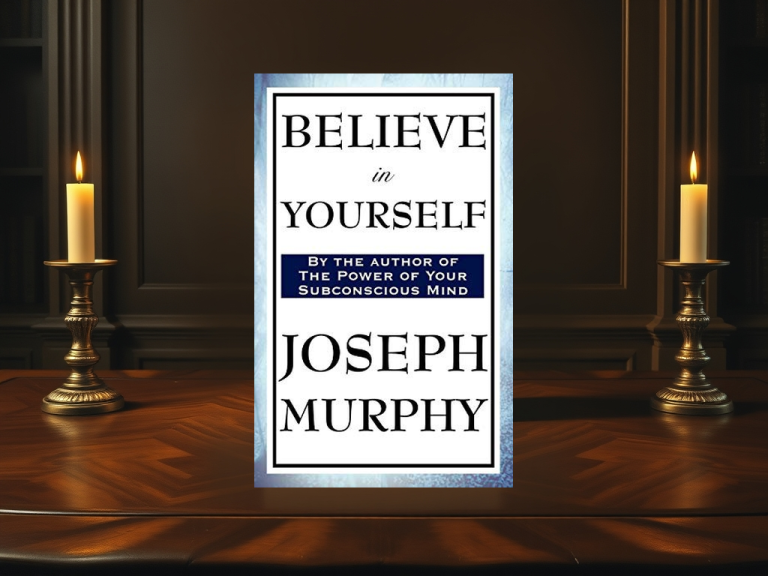
Don’t start here if you have zero background in metaphysical or New Thought ideas. You’ll likely find it too terse, too dogmatic, and too weird. Start with something like The Power of Your Subconscious Mind by Joseph Murphy for a gentler on-ramp, then come back to Neville when you’re ready for the concentrated version.
A Practice Inspired by This Book
Try this for one week and see what shifts.
Every night before sleep, choose one thing you want to experience as real. Not a thing you want to get, a thing you want to feel. Maybe it’s the feeling of financial ease. Maybe it’s the feeling of being deeply loved. Maybe it’s just the feeling of waking up excited about your life.
As you lie in bed and feel yourself getting drowsy, construct a short scene (ten seconds or less) that would naturally occur after this desire is fulfilled. A friend congratulating you. Checking your bank account and smiling. Reaching across the bed and feeling someone there. Loop that scene gently, not with effort but with warmth, the way you’d replay a happy memory. Let the feeling of it wash through your body. If your mind wanders, gently return.
Don’t try to force belief. Don’t analyze whether it’s working. Just feel the scene as real, and let sleep take you there.
After seven days, notice what’s changed. Not just externally, but in how you carry yourself, what you expect, and how you feel when you wake up.
Final Honest Take
I’ve given this book to maybe fifteen people. About half of them came back stunned, saying something shifted. The other half said “that’s it?” and moved on. The difference, as far as I can tell, wasn’t intelligence or spiritual readiness. It was whether they actually did the technique or just read about it.
Feeling Is the Secret isn’t a book you read. It’s a book you practice. The fifty pages are just the invitation. The real book writes itself in those quiet moments before you fall asleep, night after night, as you learn to choose your feeling state instead of letting the day’s residue choose it for you.
Three years later, I still do the technique most nights. Not because I’m trying to manifest anything specific (though that happens too) but because it’s become the most peaceful part of my day. And honestly? That alone would’ve been worth the read.
Enjoyed this review?
Buy Feeling Is the Secret on Amazon As an affiliate, we may earn a small commission at no extra cost to you.