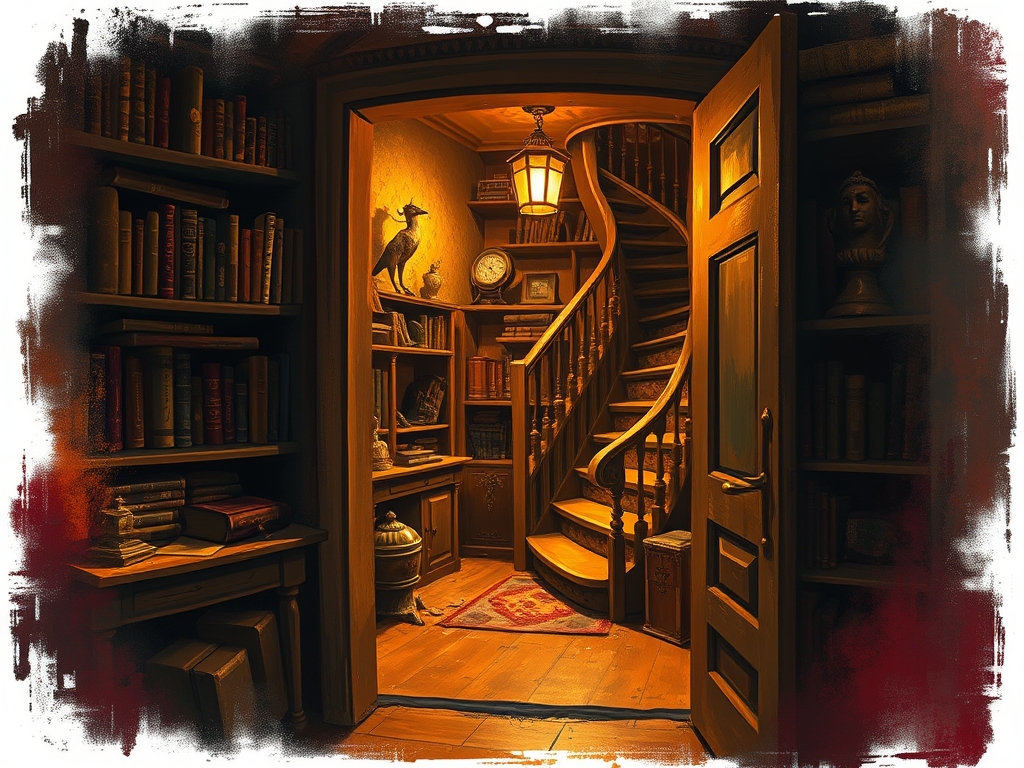
You’re in a house you know well. Maybe it’s your childhood home. Maybe it’s where you live now. Everything is familiar. And then you open a door you’ve never noticed before, and behind it is a room you didn’t know existed. Maybe it’s enormous. Maybe it’s filled with light. Maybe it’s dusty and forgotten. But it’s there, and it’s been there all along.
This is one of the most fascinating and symbolically rich dreams the subconscious mind produces. Joseph Murphy spent his career teaching that the subconscious is a vast, largely unexplored territory, and the hidden-room dream is, in my view, the subconscious’s most direct metaphor for itself.
The House Is You
In Murphy’s dream framework, a house almost always represents the self. The rooms you know and use regularly represent the aspects of yourself you’re familiar with: your conscious personality, your known abilities, your acknowledged feelings. The hidden rooms represent everything else: untapped potential, forgotten memories, suppressed emotions, and capabilities you haven’t discovered yet.
“Within your subconscious depths lie infinite wisdom, infinite power, and an infinite supply of all that is necessary.”Joseph Murphy, “The Power of Your Subconscious Mind”
When your dreaming mind shows you hidden rooms, it’s saying: “There is more to you than you know. Would you like to see?”
The Condition of the Rooms Matters
Beautiful, Grand Rooms
Some people discover rooms that are spectacular. High ceilings, filled with light, beautifully furnished, expansive. These dreams are thrilling, and their meaning is encouraging: there are parts of you, talents, capacities, depths of feeling, that you haven’t accessed yet, and they’re magnificent.
Murphy would see this as the subconscious revealing its potential to the conscious mind. You’ve been living in a few familiar rooms of your being, and the subconscious is pulling back a curtain to show you how much more space you have. This dream often comes when you’re on the verge of personal expansion, when the subconscious has already begun preparing for growth that your conscious mind hasn’t caught up to yet.
Dark, Neglected Rooms
Other people find rooms that are dusty, dark, cobwebbed, or falling apart. These can be unsettling, but they’re equally valuable. These rooms represent parts of yourself that have been abandoned: old interests you gave up, emotions you stopped allowing yourself to feel, aspects of your identity that you suppressed to fit in or to survive.
The neglect in the dream reflects real neglect. You’ve been ignoring something within yourself, and the subconscious is showing you the cost. But notice: the room is still there. It hasn’t been destroyed. It’s been neglected, and neglect can be reversed.
Rooms with Strange Contents
Sometimes the hidden rooms contain unexpected objects: a piano you didn’t know was there, boxes of old photographs, unfamiliar furniture, or even people. Each of these objects is a symbol worth considering.
A musical instrument might represent creative expression you’ve abandoned. Old photographs might point to memories or aspects of your past that need revisiting. Unfamiliar furniture might represent new possibilities your subconscious is showing you for the first time.
Murphy taught that the subconscious is endlessly creative in its symbolism. It chooses the images that will have the most emotional impact on you specifically. What you find in the hidden rooms is tailored to what you most need to see.
Why This Dream Comes When It Does
The hidden-room dream tends to appear at specific points in a person’s life. Understanding the timing helps you understand the message.
During Major Life Transitions
Moving, changing careers, ending or beginning relationships, these transitions shake up your sense of identity. The subconscious responds by revealing that your identity is larger than you thought. The hidden rooms appear because you need them: you need to know you have more resources, more space, more possibility than your current self-concept allows.
During Periods of Inner Work
If you’ve been meditating, journaling, practicing Murphy’s bedtime techniques, or engaging in therapy, the hidden-room dream often shows up as a sign of progress. You’ve been exploring your inner world deliberately, and the subconscious is rewarding that exploration by showing you new territory.
When You’re Ready to Grow
Sometimes the dream comes with no obvious external trigger. Life is stable, nothing dramatic is happening, and then you dream of hidden rooms. In Murphy’s view, this is the subconscious initiating growth. It knows you’re ready even before your conscious mind does, and it’s opening doors to invite you forward.
The Recurring Version
Some people have this dream repeatedly, sometimes finding the same rooms again and again, sometimes discovering new ones each time. The recurring version is particularly significant.
If you keep finding the same hidden room, your subconscious is insisting on something. There’s an aspect of yourself that it really wants you to engage with, and you haven’t done so yet. Each repetition is another invitation, growing more insistent over time.
If you find new rooms each time, your subconscious is encouraging ongoing exploration. There’s always more to discover. Don’t stop at the first hidden room. Keep opening doors.
Working with This Dream
Murphy’s approach to all dream interpretation was practical. The dream isn’t just interesting. It’s useful. Here’s how to work with hidden-room dreams.
Remember the Feeling
When you wake from this dream, the first thing to notice is how you felt in the hidden room. Excited? Scared? Curious? Peaceful? The feeling tells you whether the subconscious is inviting you toward something wonderful or alerting you to something that needs healing.
Explore in Waking Life
If the dream showed you grand, beautiful rooms, take it as encouragement to expand. Try something new. Explore a talent you’ve been ignoring. Allow yourself to take up more space in your life.
If the dream showed you neglected rooms, ask yourself what you’ve been ignoring. What part of yourself have you abandoned? What would it look like to start tending to that neglected space?
Use Murphy’s Sleep Technique to Go Deeper
Before sleep, return to the dream deliberately. Imagine yourself back in the house, finding the hidden room again. But this time, explore it more fully. Open the drawers. Look out the windows. Sit down and feel what it’s like to be in this space. Give your subconscious the message that you’re willing to engage with what it’s showing you.
“The infinite intelligence within your subconscious mind can reveal to you everything you need to know at every moment of time.”Joseph Murphy
This kind of deliberate dreamwork, done in the drowsy pre-sleep state, is one of the most powerful ways to deepen your relationship with your subconscious mind. You’re not just receiving messages. You’re responding to them.
The Larger Meaning
The hidden-room dream is, at its heart, an antidote to the belief that you are small. Every room you discover is the subconscious saying: “You are more than you think you are. You contain more than you’ve explored. There are capacities within you that you haven’t touched yet.”
Murphy built his entire body of work on this conviction: that the subconscious mind contains infinite potential, and that most people live in a tiny fraction of their total being. The hidden-room dream is the subconscious’s own illustration of this truth.
If you’ve had this dream, consider it an invitation. Not to interpret endlessly, but to live more expansively. Open the doors you’ve been walking past. Explore the parts of yourself you’ve been ignoring. The rooms are there. They’ve always been there. And they’re waiting for you to walk in.